
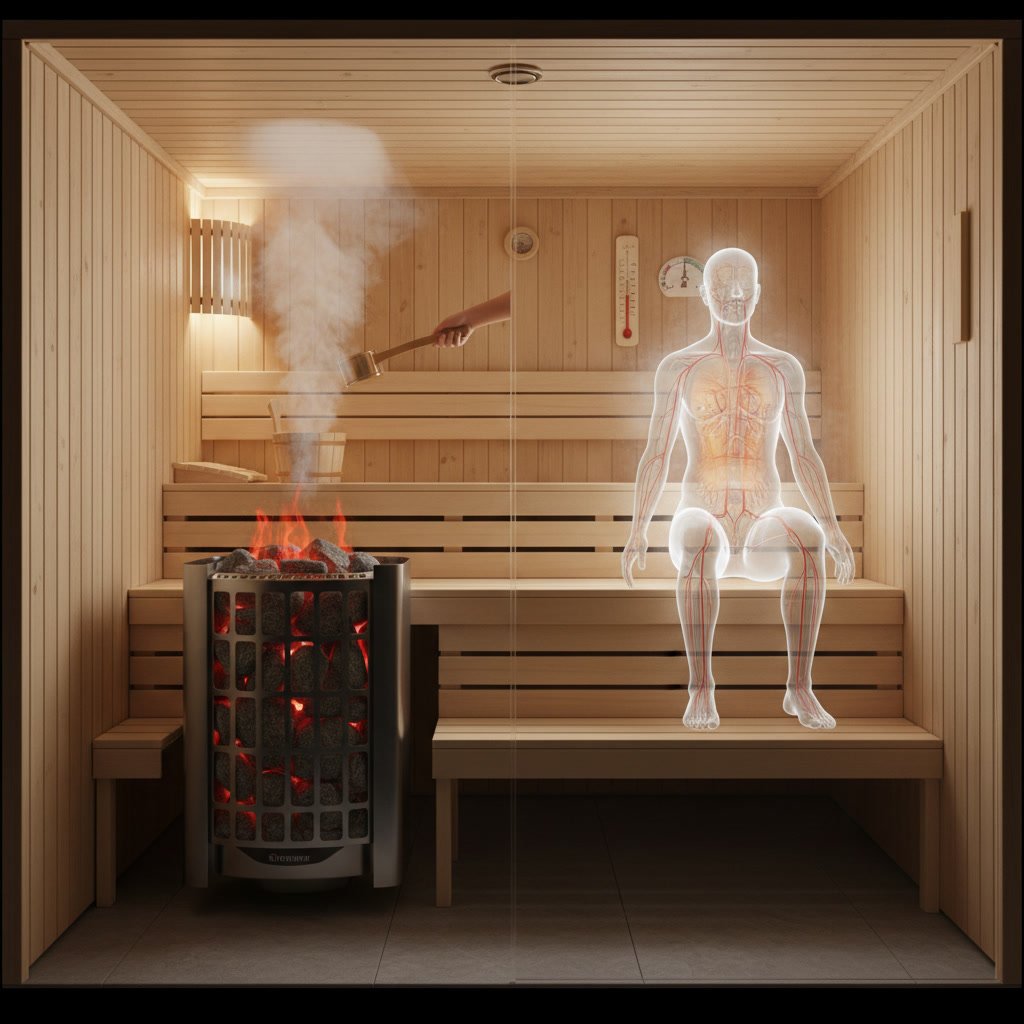
Understanding how saunas work begins with the physics of heat transfer and your body’s remarkable thermoregulatory response. When you step into a heated sauna room, radiant heat and convection raise your skin temperature, triggering a cascade of physiological changes designed to cool you down. Your heart rate increases, blood vessels dilate, and sweat glands activate to dissipate excess heat through evaporation.
The History of Heat Therapy
Heat bathing has existed for thousands of years across dozens of cultures. Finnish saunas, Russian banyas, Turkish hammams, and Native American sweat lodges all share a common thread: controlled heat exposure for health and relaxation. The Finnish sauna tradition, dating back more than 2,000 years, refined the practice into the wood-lined rooms and heating methods familiar today. Traditional saunas were heated with wood-burning stoves and rocks, which radiated warmth into small, insulated spaces.
Modern indoor saunas retain these core principles while incorporating electric heaters, infrared panels, and precise temperature controls. The shift from outdoor structures to indoor installations made year-round heat therapy accessible in residential settings, expanding sauna use far beyond its Nordic origins.
Types of Indoor Saunas and Their Heating Methods
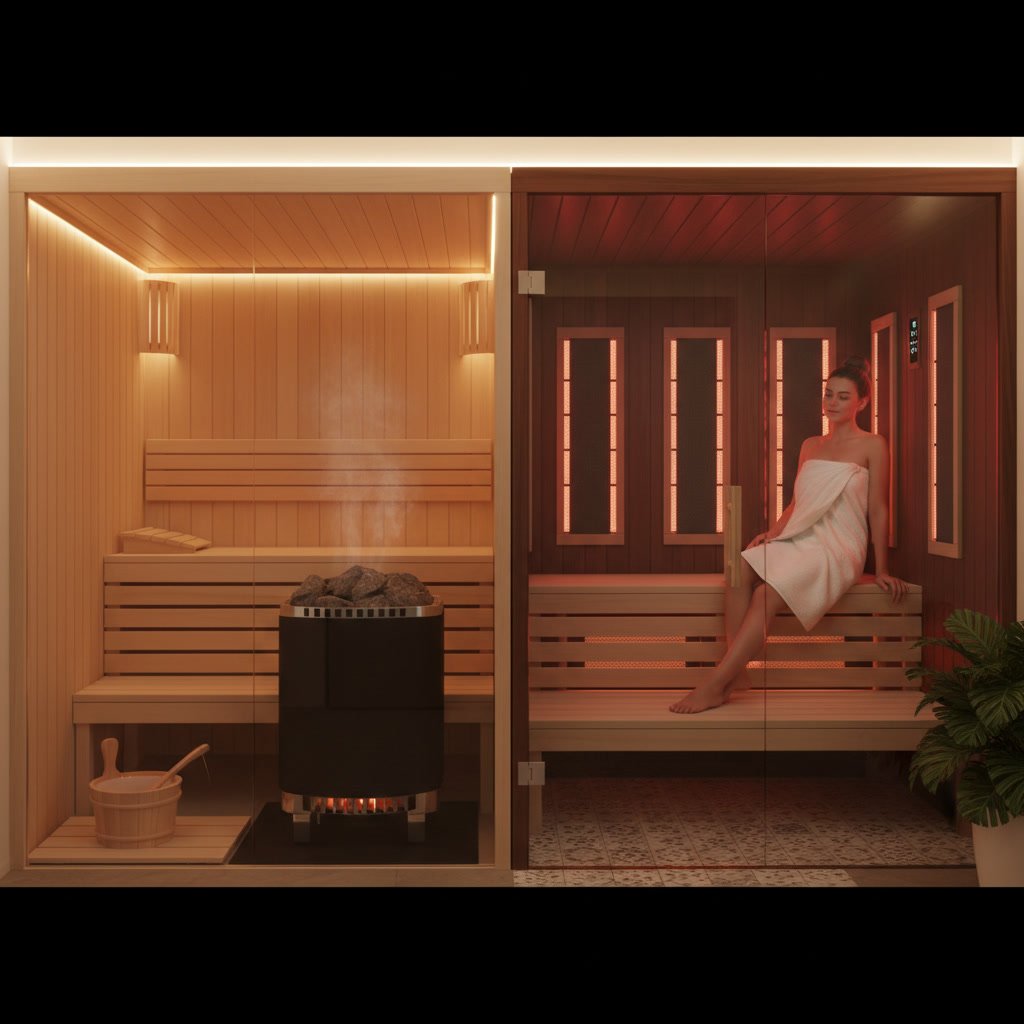
Three primary heating methods define the indoor sauna landscape. Traditional Finnish saunas use electric or wood-burning heaters topped with rocks. Water poured over the rocks creates steam, briefly raising humidity and intensifying the heat sensation. These units typically operate between 150 and 195 degrees Fahrenheit with humidity levels around 10 to 20 percent.
Infrared saunas employ ceramic, carbon, or other infrared panels that emit radiant heat directly absorbed by your skin and tissues. Because they heat your body rather than the surrounding air, infrared models run at lower ambient temperatures, usually 120 to 140 degrees. Humidity remains low, and the absence of steam creates a different sensory experience.
Steam rooms, while not technically saunas, represent a third category. They maintain high humidity near 100 percent at temperatures around 110 to 120 degrees. The dense moisture prevents sweat evaporation, creating a distinctly different physiological load compared to dry-heat saunas.
The Science Behind Sauna Heat Transfer
Heat reaches your body through three mechanisms: conduction, convection, and radiation. Conduction occurs when you sit on a heated bench, transferring warmth through direct contact. Convection happens as hot air circulates around you, warming your skin surface. Radiation accounts for the majority of heat transfer in traditional saunas, as infrared energy radiates from the heater and wooden surfaces.
Your skin temperature rises rapidly in the first few minutes, climbing from its normal 92 degrees to around 104 degrees. Core body temperature increases more slowly, eventually reaching 100 to 102 degrees after 15 to 20 minutes in a properly heated sauna. This modest core temperature rise triggers your body’s cooling mechanisms without causing harm.
What Happens to Your Body During a Session
Within seconds of entering a heated sauna, thermoreceptors in your skin detect the temperature change and signal your hypothalamus. Your autonomic nervous system responds by dilating blood vessels near the skin surface, increasing blood flow from roughly one pint per minute to as much as one gallon per minute. This vascular shift accounts for the flushed appearance many people develop.
Your heart rate climbs from a resting 60 to 70 beats per minute to 100 to 150 beats per minute, depending on temperature and duration. Cardiac output increases similarly, mimicking the cardiovascular demands of moderate exercise. Sweat glands activate across your entire body, producing anywhere from one pint to one quart of perspiration during a typical 15 to 20 minute session.
Blood pressure initially drops due to vasodilation, then stabilizes or rises slightly as heart rate increases. Respiratory rate may increase modestly as your body works to expel heat through exhalation. These combined responses constitute a significant but controlled physiological stress.
Step-by-Step Breakdown of a Typical Sauna Session
A well-structured sauna session follows a predictable pattern. Begin by showering to remove oils, lotions, and dirt that can interfere with sweating. Enter the preheated sauna and sit on a lower bench if you prefer milder heat or an upper bench for more intense exposure. Temperature stratification means the air near the ceiling can be 20 to 30 degrees hotter than at floor level.
Spend the first five to seven minutes allowing your body to acclimate. Your skin warms, heart rate rises, and initial sweating begins. During minutes eight through 15, sweating intensifies and you reach a steady state where heat absorption and dissipation balance. Many people find this middle phase the most relaxing.
After 15 to 20 minutes, exit the sauna and cool down gradually. Rinse with lukewarm or cool water, allowing your heart rate and body temperature to return to baseline over five to ten minutes. Hydrate with water to replace fluid lost through sweating. Some enthusiasts repeat this heat-cool cycle two or three times, though a single round provides substantial benefit.
Temperature and Humidity Controls
Modern electric heaters offer precise temperature control, typically adjustable in five-degree increments. A thermostat mounted inside the sauna monitors air temperature and cycles the heating element to maintain your setpoint. Most residential units reach operating temperature in 30 to 45 minutes, depending on room size and insulation quality.
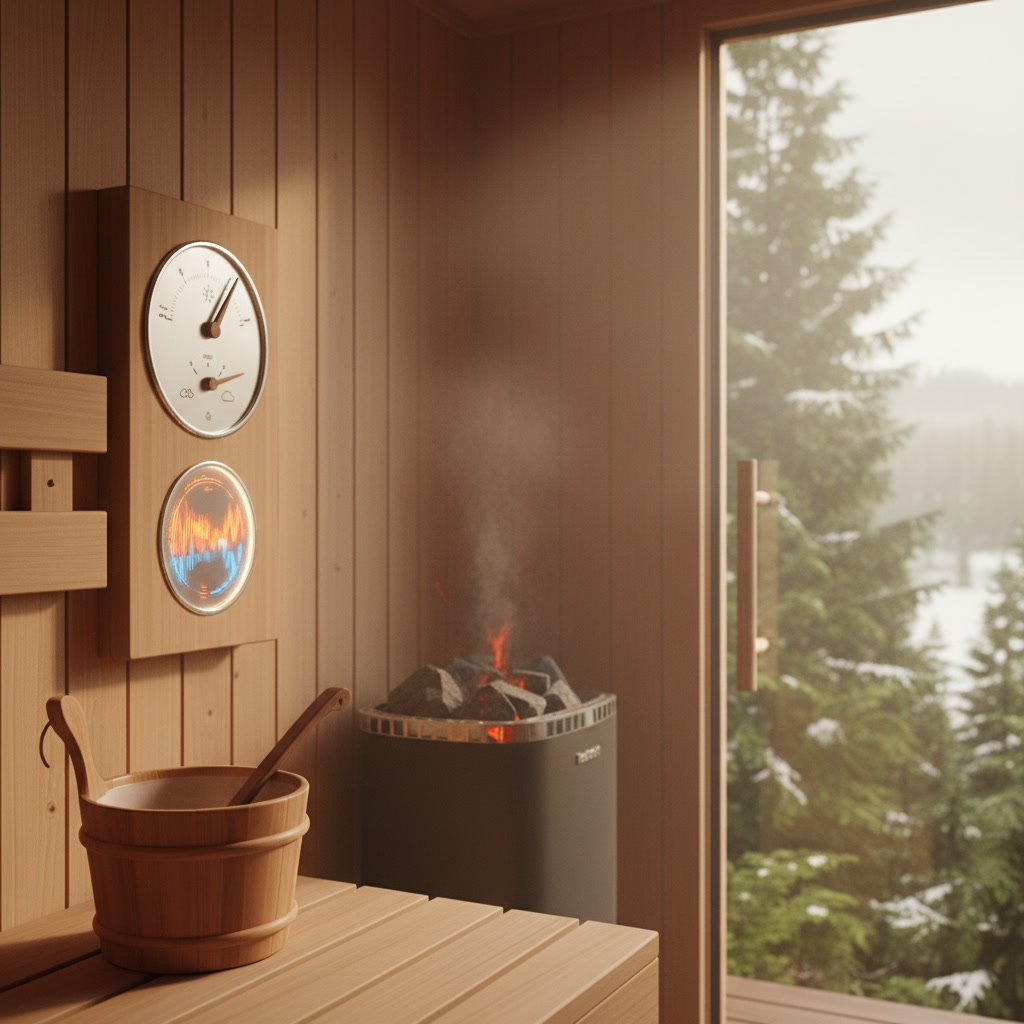
Humidity adjustment in traditional saunas comes from the amount of water you ladle onto the heater rocks. A single ladle raises humidity briefly, intensifying the heat sensation without changing the actual air temperature. Infrared saunas lack this feature, maintaining consistently low humidity throughout the session. Ventilation systems, usually passive vents near the floor and ceiling, ensure fresh air circulation and prevent carbon dioxide buildup.
Indoor Sauna Installation Considerations in San Jose
Installing an indoor sauna in the Bay Area requires attention to electrical capacity, ventilation, and moisture management. Most electric sauna heaters draw between 4.5 and 8 kilowatts, necessitating a dedicated 240-volt circuit. Proper ventilation prevents moisture accumulation in adjacent rooms, particularly important in San Jose’s mild climate where indoor humidity control matters year-round.
Placement options include basements, spare bedrooms, master bath suites, and even large closets. A typical two-person sauna occupies roughly 35 to 50 square feet, while four-person models require 60 to 80 square feet. Ceiling height should accommodate tiered benching, with eight feet being ideal though seven feet can work. Flooring must tolerate heat and occasional water exposure, making tile, sealed concrete, or specialized sauna flooring the best choices.
Safety Mechanisms and Session Duration
Built-in safety features prevent overheating and electrical hazards. All quality sauna heaters include high-limit switches that shut off power if temperature exceeds safe thresholds, typically around 210 degrees. Timers, usually adjustable up to 60 minutes, automatically turn off the heater after your selected duration. Door latches must never lock, ensuring you can exit instantly if needed.
Session duration should match your experience level and heat tolerance. Beginners often find 10 to 12 minutes sufficient, while experienced users may extend sessions to 20 or 25 minutes. Sessions beyond 30 minutes offer diminishing returns and increase dehydration risk. Always exit immediately if you feel dizzy, nauseous, or unusually uncomfortable.
Maintenance and Cleaning Between Sessions
Regular maintenance keeps your sauna hygienic and extends its lifespan. After each session, wipe down benches with a clean towel to remove sweat and body oils. Leave the door open for 20 to 30 minutes to allow interior surfaces to dry completely, preventing mold and mildew. Weekly cleaning with a mild soap solution removes accumulated residue without damaging the wood.
Inspect heater rocks every few months, replacing cracked or crumbling stones to maintain efficient heat distribution. Clean or replace ventilation screens to ensure proper airflow. Check electrical connections annually and tighten any loose terminals. These simple tasks prevent costly repairs and maintain consistent performance.
Health Considerations and Who Should Avoid Sauna Use
While most healthy adults tolerate sauna sessions well, certain conditions warrant caution or avoidance. People with uncontrolled high blood pressure, recent heart attacks, or unstable angina should consult a physician before sauna use. Pregnancy, particularly in the first trimester, presents theoretical risks from elevated core temperature. Alcohol consumption before or during sauna sessions impairs thermoregulation and increases accident risk.
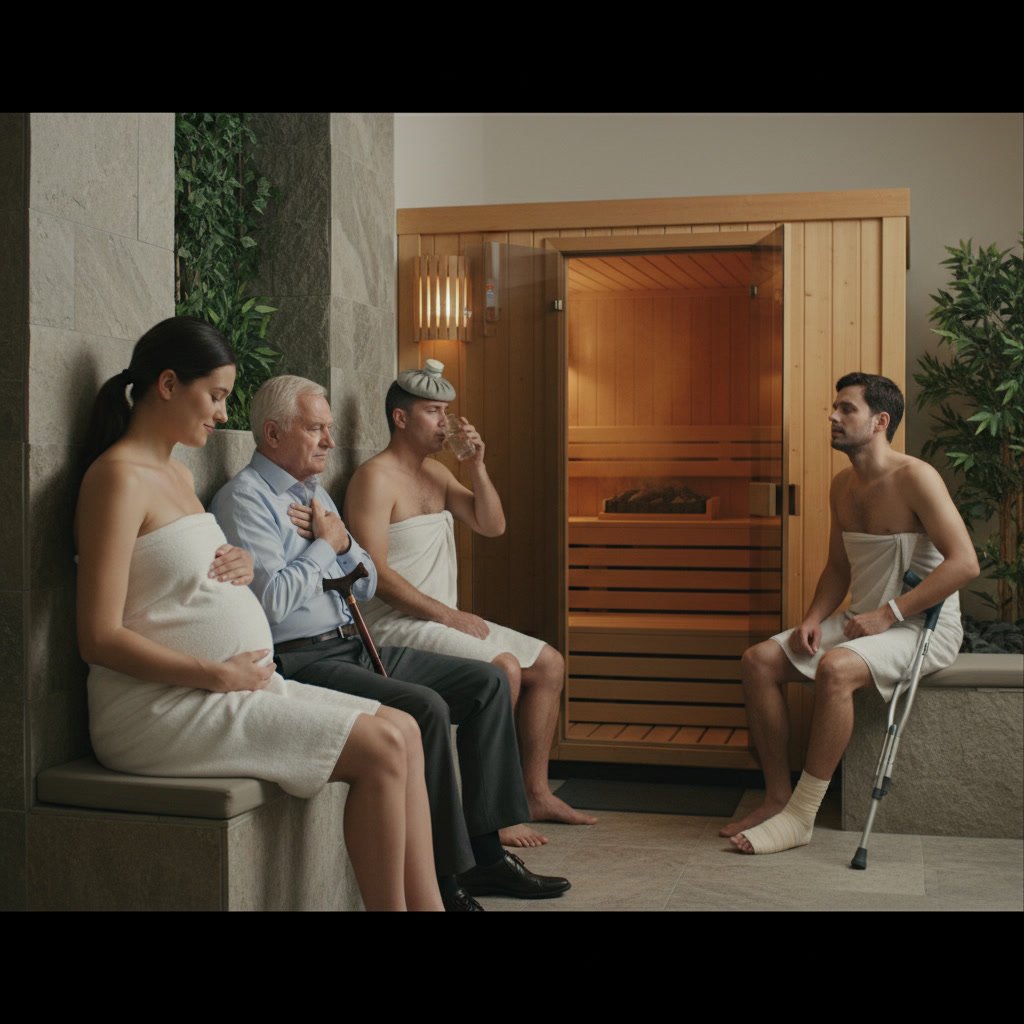
Medications that affect sweating, blood pressure, or heart rate may interact with heat exposure. Diuretics, beta-blockers, and antihistamines all alter your body’s response to high temperatures. Anyone with chronic health conditions should discuss sauna use with their healthcare provider before beginning regular sessions.
Maximizing Your Investment in Home Wellness
Installing an indoor sauna represents a significant commitment to long-term health and relaxation. The key to lasting satisfaction lies in choosing the right size, heating method, and features for your specific needs. Quality construction using properly kiln-dried wood, commercial-grade heaters, and thoughtful ventilation design ensures decades of reliable service. Placement within your home should balance convenience with privacy, making regular use effortless rather than an occasional indulgence.
Working with experienced professionals during the selection and installation process prevents costly mistakes and ensures your sauna operates safely and efficiently from day one. Outdoor Kitchen & Saunas has helped countless Bay Area homeowners navigate the decisions around sauna type, sizing, electrical requirements, and placement. The company’s showroom in Milpitas allows you to experience different models firsthand, comparing traditional and infrared options before making your choice.
If you’re ready to explore how an indoor sauna can fit into your home and wellness routine, the team at Outdoor Kitchen & Saunas offers personalized consultations to match your space, budget, and heat preferences with the right equipment. Reach out at +14083574037 to schedule a product consultation and take the first step toward bringing this time-tested wellness practice into your daily life.